

Robot Vacuums for Pet Hair and Allergies: 2026 Alternatives
Table of Contents
- Why Robot Vacuums for Pet Hair and Allergies Fall Short
- What the Best HEPA Vacuum for Pet Allergies Actually Needs
- When a Cordless Stick Vacuum for Pet Hair Beats a Robot
- How to Reduce Pet Dander in the Home Beyond Vacuuming
- The Robot Option That Still Works: Supersonic SC-830SV
- Long-Term Maintenance Costs and Allergy-Specific Testing
- Frequently Asked Questions
Last Updated: September 25, 2026
Why Robot Vacuums for Pet Hair and Allergies Fall Short
Pet hair robot vacuums marketed for allergies often disappoint in the one job that matters most: pulling embedded dander and fur out of carpet. According to Consumer Reports' 2026 vacuum testing, top-rated robot models handle bare floors and surface pet hair well, yet many still leave deep-seated allergens behind. That gap is exactly why shoppers start hunting for alternatives.
What the Best HEPA Vacuum for Pet Allergies Actually Needs
The best HEPA vacuum for pet allergies combines a sealed system, strong suction, and a tangle-resistant brush roll. Miss any one of those three, and allergens escape back into the air you breathe.
Sealed System and Filter Efficiency
A sealed system keeps every particle the vacuum captures inside the machine. Without it, air leaks around the filter housing and pushes micro-particles back into the room. HEPA filtration traps the fine stuff, and models like the Shark AI Ultra now build it in to capture pet dander during cleaning (Forbes personal shopper coverage, 2026).
Suction Power and Tangle-Resistant Brush Roll
Suction power does the heavy lifting. Industry guidance recommends a minimum of 4,000Pa for effective pet hair and dander removal (Narwal's pet allergy guidance, 2026). Pair that with a tangle-resistant brush roll and you stop the hair-wrap problem that forces weekly blade-and-scissors sessions.
| Requirement | Why It Matters | Minimum Target |
|---|---|---|
| Sealed system | Stops allergen leakage | Fully sealed housing |
| HEPA filtration | Traps micro-particles | True HEPA |
| Suction power | Lifts embedded hair | 4,000Pa |
| Tangle-resistant brush roll | Prevents hair wrap | Self-cleaning design |
When a Cordless Stick Vacuum for Pet Hair Beats a Robot
A cordless stick vacuum for pet hair wins over pet hair robot vacuums whenever you need reach, stairs, or upholstery. Robots clean open floors; sticks clean the places pets actually sleep.
Reach, Stairs, and Upholstery
Stairs, couch cushions, car seats, and under-bed gaps are robot dead zones. A stick vacuum with a crevice tool and upholstery brush handles all of them in minutes. The trade-off is effort: you push it yourself. For allergy sufferers, that extra five minutes means allergens leave the room instead of cycling through it.
How to Reduce Pet Dander in the Home Beyond Vacuuming
Reducing pet dander in the home takes more than vacuuming. It requires controlling where dander lands, how often surfaces get wiped, and how clean the air stays. The step most guides skip is the one allergy sufferers feel first: what happens to dander that never settles on the floor at all.
The Dander Cycle: Why Floor Cleaning Alone Fails
Dander is not just fur. It is a protein shed from skin, saliva, and urine, and the particles are small enough to stay airborne for hours. A vacuum that captures surface hair can still leave the airborne fraction circulating through the room. That is why allergy symptoms often peak overnight, when a person spends eight hours breathing air in a closed bedroom where dander has accumulated on bedding, curtains, and carpet.
Pairing Floor Cleaning With Air Quality Monitoring
Most robot vacuum reviews stop at the floor. None of the top-ranking guides explain how to verify that the air actually improved. That verification step is the missing piece.
- Track particulate levels, not just dust bin volume. A low-cost indoor air quality monitor that reports PM2.5 and PM10 gives you a before-and-after number. Run the robot, then watch whether particulate counts fall or spike. A spike means the machine is redistributing rather than capturing.
- Match the air purifier to the room, not the house. A HEPA air purifier is rated by clean air delivery rate for a specific square footage. A unit sized for a 200-square-foot bedroom will not keep up in an open-plan living area shared with two shedding dogs.
- Run the purifier during and after vacuuming. The moment a vacuum agitates carpet is the moment airborne dander peaks. Leaving the purifier on high for 30 minutes after a cleaning cycle captures what the vacuum released.
- Seal the bedroom as a low-dander zone. If allergies are severe, keep pets out of the bedroom and run a dedicated purifier there. This single change often produces more symptom relief than upgrading the vacuum.
The Habits That Actually Move the Number
Start with these habits:
Supersonic Smart Robot Vacuum Sweep →
- Wash pet bedding weekly in hot water
- Wipe hard floors with a damp microfiber mop twice a week
- Run a HEPA air purifier in the bedroom and check its filter monthly
- Groom pets outdoors to cut loose fur at the source
- Replace HVAC filters every 60 to 90 days, or every 30 in a multi-pet home
- Keep pets out of the bedroom if allergies are severe
- Monitor PM2.5 in the main living area before and after cleaning cycles
Grooming is the most underrated step. Trimming fur and paw hair outdoors removes dander before it spreads. A grooming trimmer like the Dog and Cat Grooming Trimmer makes quick work of it at $9.45, with a rechargeable 1200mAh battery and a 3-12 limit comb for controlled trimming.

The Robot Option That Still Works: Supersonic SC-830SV
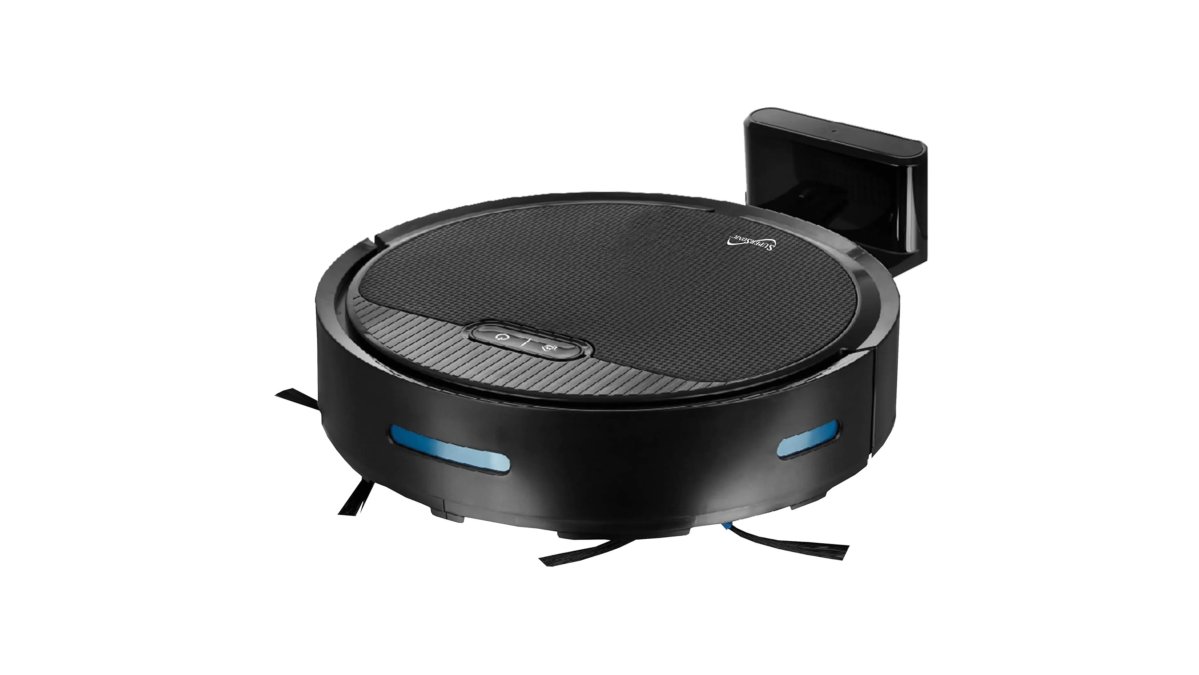
The Supersonic SC-830SV is the robot worth keeping in a pet household. It runs a HEPA filter, a 650ml dust bin, and up to 100 minutes of cleaning time per charge, all for $175.76.

Long-Term Maintenance Costs and Allergy-Specific Testing
Long-term maintenance costs rarely appear in product listings, yet they decide whether a vacuum is worth owning. Filters, belts, brushes, and batteries add up fast, and the sticker price tells you almost nothing about what the machine costs to run for three years.
A Three-Year Total Cost of Ownership Breakdown
Most buyers compare vacuums on purchase price alone. A better comparison is total cost of ownership over a three-year horizon, which is roughly the lifespan of a battery before its first replacement.
| Item | Typical Frequency | Annual Cost Range | 3-Year Cost Range |
|---|---|---|---|
| HEPA filter replacement | Every 6-12 months | $20-$60 | $60-$180 |
| Brush roll replacement | Every 6-12 months | $15-$40 | $45-$120 |
| Battery replacement | Every 2-3 years | $40-$90 | $40-$90 |
| Bagged vs bagless supplies | Monthly to quarterly | $30-$80 | $90-$240 |
| Belt and pre-motor filter | Annually | $10-$25 | $30-$75 |
Allergy-Specific Testing: Trapping Versus Releasing
Allergy-specific testing is the other blind spot. Lab tests measure pickup, but few measure how much allergen a vacuum releases back into the air. Wirecutter's 2026 testing put in over 80 hours of performance trials, and CNET tested 47 models in lab settings, yet neither protocol isolates airborne allergen release (Wirecutter's robot vacuum methodology, 2026).
- Sealed system integrity. Every joint, gasket, and filter housing must be airtight. A single unsealed seam lets fine particles bypass the HEPA filter entirely.
- Filter efficiency at the exhaust. True HEPA captures 99.97 percent of particles at 0.3 microns, which is the size range where dander and mite allergens travel. A vacuum rated below that threshold is trapping some particles and releasing the rest.
- Emptying method. Bagless bins release a burst of particles when opened. Bagged systems and sealed docking stations contain that burst. This is the single most overlooked variable in allergy-focused vacuum reviews.
Frequently Asked Questions
Are robot vacuums actually effective for pet hair and allergies?
They help, but only within limits. Consumer Reports found top-rated models clean bare floors and remove pet hair well, and more frequent runs capture dander and pollen before it accumulates. The catch is deep-seated allergens in carpet. DJI Media Center notes standard robots struggle with embedded dust and mites compared to high-suction alternatives. Use a robot for daily surface upkeep and a corded or cordless vacuum for weekly deep cleaning.
Do HEPA filters in vacuums really help with pet allergies?
Yes, if the whole system is sealed. A HEPA filter traps micro-particles, but air can bypass it through unsealed seams. Forbes reports models like the Shark AI Ultra use built-in HEPA filtration to trap pet dander during cleaning. Check for a sealed system, replace filters on schedule, and empty the bin outdoors to avoid releasing allergens back into the room.
Is a cordless stick vacuum for pet hair better than a robot vacuum?
They solve different problems. A cordless stick vacuum for pet hair reaches stairs, sofa cushions, and car seats that a robot cannot, and you control where it goes. A robot handles daily automated scheduling across open floors. Most pet owners with allergies get better results from both: a robot for maintenance runs and a stick vacuum for targeted deep cleaning.
How do I reduce pet dander in the home without buying multiple machines?
Start with non-vacuum steps. Wash pet bedding weekly in hot water, use a HEPA air purifier in the bedroom, brush your pet outdoors, and keep them off upholstered furniture. Then vacuum high-traffic areas twice weekly. A single well-filtered vacuum used consistently on a schedule beats an expensive model run once a month.
What suction power do I need for pet hair?
Narwal's 2026 guidance recommends at least 4,000Pa for picking up hair, dust, and allergens. That figure applies to deep carpet cleaning. For hard floors and low-pile rugs, a lower-rated unit with a tangle-resistant brush roll can still work. Pair suction with a sealed HEPA system and a brush roll designed to resist hair wrap, or you will spend more time cutting hair off the roller than cleaning.