

How to Identify Authentic Designer Accessories
Table of Contents
- Start With the Details That Fakes Get Wrong
- How to Identify Authentic Designer Accessories Using Serial Numbers and Date Codes
- Common Signs of Counterfeit Luxury Goods
- When to Use Luxury Authentication Services
- Best Practices for Buying Pre-Owned Luxury
- Packaging, Documentation, and Provenance
- Frequently Asked Questions
Last Updated: September 25, 2026
Start With the Details That Fakes Get Wrong
Learning how to identify authentic designer accessories starts with the details counterfeiters get wrong: hardware weight, stitching precision, and material quality. This guide from Downtown5 walks through the checks that work, from serial numbers to digital verification.
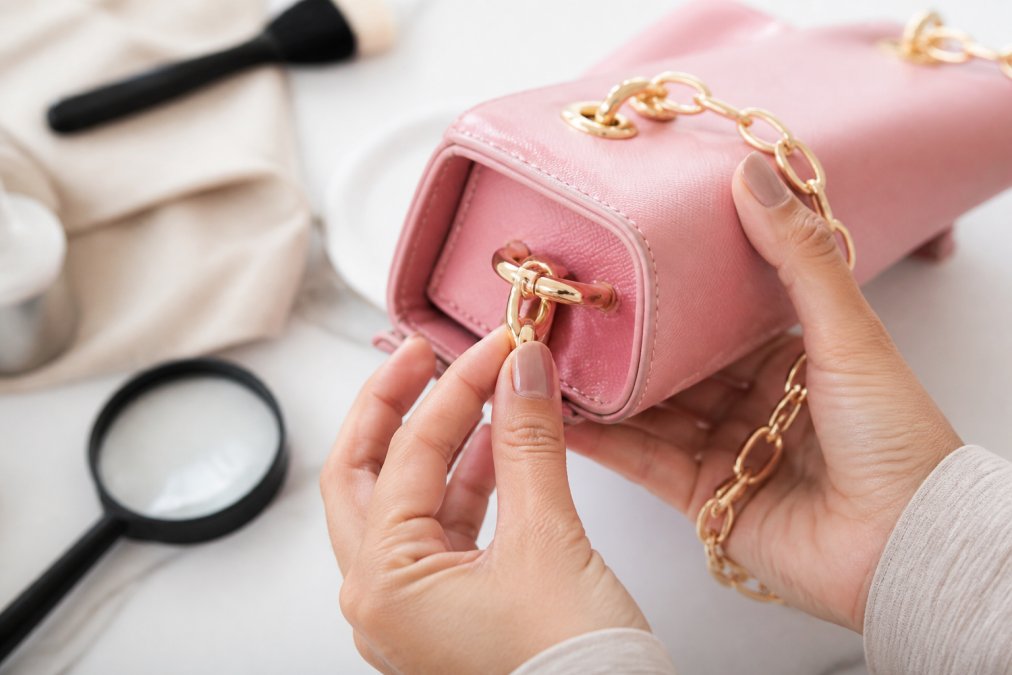
Hardware Weight and Finish
Genuine hardware has heft: zipper pulls, clasps, and rings feel dense and solid, not hollow or tinny. Counterfeiters cut costs on metal, so fakes use lightweight alloys that dent easily or plating that flakes within weeks. Run your thumb along a zipper pull; authentic pieces are smooth, with no rough seams or uneven plating.
Stitching Precision and Pattern Alignment
Stitching is where counterfeiters slip most often. Authentic bags use even, tight, consistent stitches; fakes show irregular spacing, loose threads, or crooked lines. On monogram or patterned canvas, the pattern should align seamlessly across seams, misaligned logos at the seam are one of the fastest red flags.
How to Identify Authentic Designer Accessories Using Serial Numbers and Date Codes
How to identify authentic designer accessories comes down to documentation as much as appearance. Most luxury brands stamp a serial number or date code inside the bag, often on a leather tab or behind a pocket, letting you trace production runs and verify a piece against brand records.
Where Brands Hide Their Codes
Codes are rarely in obvious spots. Check interior seams, behind interior pockets, the back of authenticity cards, and the lining edge. A missing or smudged code is a warning sign, though some vintage pieces legitimately lack them. When a code exists, compare its format against the brand's known conventions.
Common Signs of Counterfeit Luxury Goods
Common signs of counterfeit luxury goods cluster around three areas: logos and fonts, materials, and construction shortcuts. Counterfeiters nail the silhouette but fail on the small stuff, exactly where you should look.
Logos, Fonts, and Embossing Errors
Brand fonts are precise. A counterfeit logo often has wrong letter spacing, a heavier or lighter stroke weight, or embossing that sits too shallow or too deep. Compare it against official brand imagery, font alignment and engraving depth are two of the hardest things to fake at scale.
Leather, Canvas, and Lining Red Flags
Real leather smells natural, not chemical, has subtle grain variation, and softens with use. Synthetics feel plasticky, smell like glue or solvent, and stay stiff. Authentic linings are often suede, fine textile, or branded fabric with clean seams; fakes use thin, shiny polyester that puckers.
When to Use Luxury Authentication Services
Luxury authentication services provide a formal written determination of authenticity, usually through image upload or in-person inspection. They matter most for high-value resale, insurance claims, and any purchase where a wrong call costs hundreds or thousands of dollars, but not all determinations carry the same weight.
How a Determination Is Actually Made
A reputable service does not rely on a single photo. Most work through a layered checklist:
- Hardware forensics, the shape, weight, finish, and engraving of zipper pulls, clasps, and rings, compared against known-good reference pieces.
- Stitching and construction, stitch count per inch, thread type, seam direction, and whether the interior construction matches the brand's method.
- Material analysis, grain pattern, edge finishing, lining composition, and, where relevant, the smell and hand-feel of the leather.
- Code and stamp verification, the format, font, placement, and spacing of serial numbers, date codes, and brand stamps.
- Logo and font geometry, letter spacing, stroke weight, and embossing depth measured against official references.
Image-Based vs. In-Person Authentication
Image-based services are fast, inexpensive, and right for most pre-owned purchases, but they cannot feel weight, smell leather, or examine interior construction that does not photograph well. In-person authentication closes those gaps but costs more and takes longer.
What a Determination Is Worth in a Dispute
A written authentication opinion is not a legal judgment, but it is persuasive evidence. Platforms generally accept determinations from established services in authenticity claims, and card issuers often weigh them in chargeback reviews. Keep the original PDF or email, a screenshot is weaker than the full report.
NFC Chips and Digital Verification
A growing number of brands embed NFC chips or scannable tags linking to a digital certificate of authenticity. Tap a phone to the tag and confirm the piece against the brand's own database, the most reliable check available when supported, because it verifies against the source rather than a photo.
Choosing a Service
- Turnaround, many services return determinations within 12 to 24 hours; some offer expedited tiers.
- Specialization, a service with brand-specific experts will outperform a generalist on niche houses.
- Report format, confirm it produces a document your platform or insurer will accept.
- Refund policy, some services refund the fee if their determination is later overturned by a second opinion.
As counterfeit quality improves, visual-only authentication is becoming less reliable. According to reporting from Brandon Blackwood via InvestigateTV, inspecting stitching and hardware by eye alone no longer catches the best fakes. That is the strongest argument for pairing your own inspection with a professional determination on anything expensive.
Best Practices for Buying Pre-Owned Luxury
Best practices for buying pre-owned luxury start with provenance, but the other half is the platform's buyer protection policy, the mechanism that actually gets your money back if a piece fails authentication after it arrives. Most guides skip this, which is why so many buyers win the inspection and lose the dispute.
Read the Buyer Protection Policy Before You Bid
Every major resale platform handles authenticity disputes differently, and the differences matter more than the listing photos.
- eBay runs an Authenticity Guarantee on eligible handbags, sneakers, watches, and jewelry above certain price thresholds. When a listing is covered, the item ships to an independent authentication partner first, and only then to you. If it fails, the sale is canceled and you are refunded, you never receive the item. For listings outside the program, you rely on the standard Money Back Guarantee, which requires you to open a return within the platform's stated window and provide evidence the item is not as described.
- Vestiaire Collective performs physical authentication on many categories before the item ships to the buyer, and holds payment in escrow until you confirm receipt. If you believe an item is inauthentic after delivery, you file a claim through the order page; the platform can require you to ship the item to its authentication team for a second opinion before releasing or reversing funds.
- The RealReal authenticates in-house before listing, so the dispute path is different: you are challenging a company determination rather than a third-party one, and returns are typically governed by a stated return window rather than an authenticity claim.
- Poshmark relies on buyer inspection within a short window after delivery (commonly three days). After that window closes, funds release to the seller and your leverage drops sharply.
Pay With a Method That Preserves Your Rights
Credit cards and major payment platforms add a second layer of protection. Under the Fair Credit Billing Act, you generally have the right to dispute charges for misrepresented goods, and most card networks extend similar protections for counterfeits. PayPal and similar services run their own dispute timelines in parallel.
Build a Documentation Trail From the Moment You Buy
- Screenshot the original listing, including the title, description, photos, and seller handle, before the listing is edited or removed.
- Save every message with the seller, especially any claim about authenticity, condition, or included accessories.
- Photograph the package before opening it and the item immediately after, in the same lighting, from multiple angles.
- Keep the shipping label and tracking record.
This trail turns a vague complaint into a winnable claim. Platforms decide disputes on evidence, not on how strongly you feel about the item.
Ask the Questions That Sellers of Fakes Avoid
Legitimate sellers answer these without hesitation. Counterfeit sellers deflect, get vague, or go silent.
- Can you send a clear, close-up photo of the interior serial number or date code?
- Does the item come with its original receipt, authenticity card, and dust bag?
- Has the item been authenticated, and if so, by whom?
- Why are you selling it, and how long have you owned it?
- Will you accept a return if a third-party authentication service determines the item is not authentic?
| Check | What to Look For | Red Flag |
|---|---|---|
| Hardware | Dense, solid metal | Hollow, flaking plating |
| Stitching | Even, tight, consistent | Loose or crooked lines |
| Materials | Natural leather smell | Chemical, plasticky feel |
| Codes | Present, correctly formatted | Missing or smudged |
| Documentation | Receipt, card, dust bag | Seller refuses photos |
| Platform policy | Authenticity guarantee, escrow, return window | No stated policy, wire-only payment |
| Seller behavior | Answers code and return questions | Deflects, rushes, prices too low |
Packaging, Documentation, and Provenance
Packaging and documentation are part of the product, not an afterthought. Authentic pieces ship with a branded box, dust bag, authenticity card, and often care instructions. Provenance, the documented history of ownership, strengthens the case for authenticity and protects resale value.
Frequently Asked Questions
How can I tell if a designer item is real before I buy it online?
Ask the seller for close-up photos of the hardware, stitching, serial number, and interior stamp before you pay. Compare those details against the brand's official reference images. For high-value pieces, consider using a professional authentication service. If the seller refuses clear photos, walk away.
What are the most common signs of counterfeit luxury goods?
The most frequent red flags are uneven stitching, hardware that feels light or flimsy, misaligned logos, and fonts that differ from the brand's standard. Leather that smells chemical rather than natural is another warning sign. Missing or mismatched serial numbers, absent date codes, and packaging that looks rushed or generic also point to a fake. Because counterfeit production quality keeps improving, visual inspection alone is less reliable than it used to be, so combine these checks with expert or AI-assisted verification.
Is there a designer authentication app I can use?
Yes, there are authentication apps and services that let you upload images for professional review. These services are increasingly used in the resale market to validate items before a sale.
How do I know a pre-owned luxury bag is worth the asking price?
Compare the asking price against current resale listings for the same model, color, and condition. A price far below market value is a warning sign, not a bargain. Factor in whether the bag includes its authenticity card, dust bag, and original documentation, since missing items lower resale value. For reference, a Versace Virtus Leather Top Handle Satchel with grainy leather, gold hardware, and a detachable crossbody strap sits at $1,310.62 at Downtown5, which gives you a benchmark for what a verified piece in that class costs.
Counterfeiters keep getting better, which makes careful verification more important than ever. At Downtown5, we curate high-quality accessories and home goods with the detail and value you need to shop confidently. Explore our collection, including designer bags and everyday essentials, backed by seamless shipping and honest product information. Get started with Downtown5 and upgrade your style with pieces you can trust.