

How to Clean Outdoor Furniture Cushions Mold
Table of Contents
- Identify Mold vs. Mildew on Your Outdoor Cushions
- Gather Essential Cleaning Supplies and Tools
- Best Mold Remover for Outdoor Fabric: Vinegar and Baking Soda Method
- Can You Power Wash Outdoor Cushions Safely
- How to Prevent Mold on Patio Cushions
- When to Replace vs. Clean Your Outdoor Cushions
- Fabric-Specific Care Guidelines for Mold Removal
- Conclusion
- Frequently Asked Questions
Last Updated: September 25, 2026
Identify Mold vs. Mildew on Your Outdoor Cushions
The first step in addressing mold on your outdoor cushions is knowing what you're dealing with. Mold and mildew are both fungi, but they differ in appearance, growth pattern, and how aggressively they damage fabric. Understanding the difference helps you choose the right cleaning method and prevents wasting time on the wrong approach.
Mildew appears as a thin, powdery white or gray coating on the fabric surface. It grows flat against the material and is easier to remove. Mold, by contrast, looks darker (black, green, or brown) and grows in deeper layers within the fabric. Mold penetrates fibers more thoroughly and causes permanent discoloration if left untreated.
According to POLYWOOD's care guidance, the first action is simple: brush off loose mold or mildew with a clean cloth. This removes surface spores before they spread further. If the stain wipes away easily, you're likely dealing with early-stage mildew. If it resists brushing and the discoloration remains deep in the fibers, you have mold that needs more aggressive treatment.
Check the cushion's underside and seams carefully. Moisture collects in these areas first, making them prime spots for fungal growth. If you see mold spreading across multiple cushions or the fabric feels damp to the touch, address it immediately before it worsens.
Gather Essential Cleaning Supplies and Tools
Before you start to clean outdoor furniture cushions mold, assemble the right supplies. Having everything ready prevents you from stopping mid-project to hunt for a missing item. Most supplies are household staples you likely already own.
You'll need distilled white vinegar, baking soda, a nylon-bristled brush, spray bottles, clean cloths, and water. For deeper cleaning, add mild dish detergent to your arsenal. If you're tackling stubborn mold, a pressure washer can help, though you need to use it carefully to avoid damaging the fabric.

Essential tools for mold removal:
- Distilled white vinegar (kills mold spores)
- Baking soda (absorbs moisture and odors)
- Nylon-bristled brush (scrubs without shredding fabric)
- Spray bottles (for even application)
- Microfiber cleaning cloths (trap spores effectively)
- Mild dish detergent (breaks down mold buildup)
- Pressure washer (optional, for heavy-duty cleaning)
The Lowe's guide to outdoor fabric care recommends using soft brushes on synthetic fabrics to avoid damaging the material. Hard bristles can tear fibers and create weak spots where moisture pools. For patio cushions made of acrylic or polyester, nylon brushes are your safest bet.
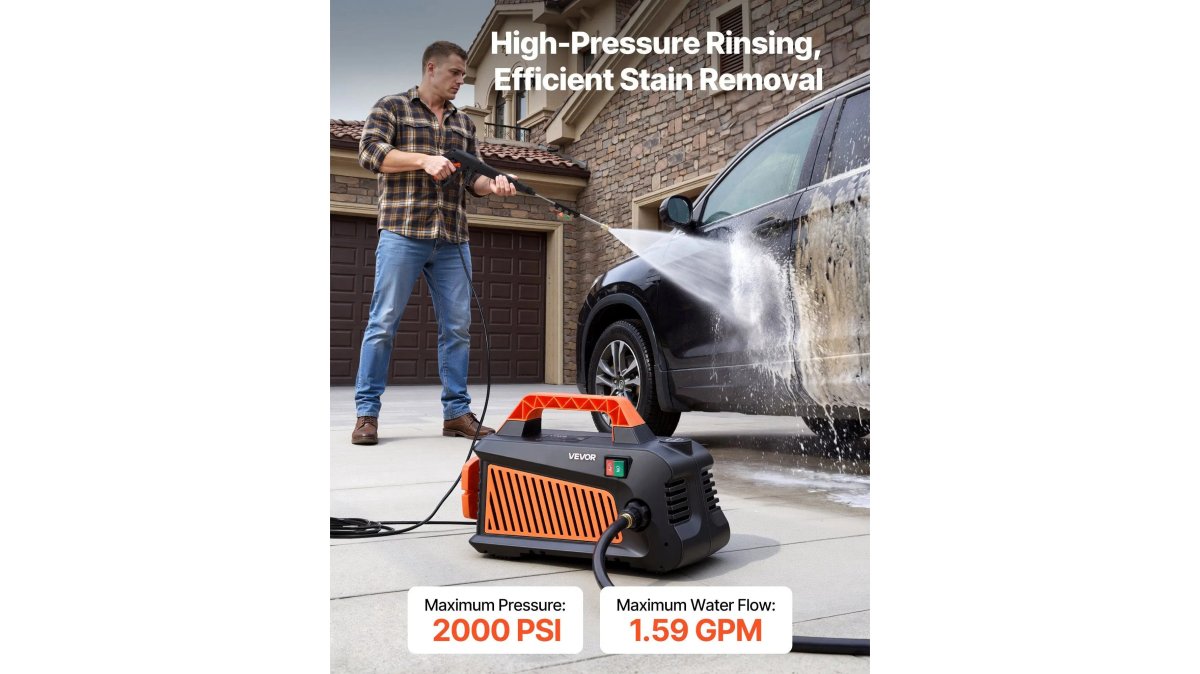
A pressure washer can speed up the process, but set it to a low PSI to avoid forcing water deep into the foam insert. The Downtown5 Electric Pressure Washer delivers 2000 Max PSI with adjustable nozzles, giving you control over water pressure so you can clean effectively without harming delicate outdoor fabrics.
Best Mold Remover for Outdoor Fabric: Vinegar and Baking Soda Method
The vinegar and baking soda method is the best mold remover for outdoor fabric because it's effective, safe, and inexpensive. This approach works on synthetic fabrics without the harshness of chemical bleach, making it ideal for cushions you use regularly.
Step 1: Create your vinegar spray solution Mix one part distilled white vinegar with one part water in a spray bottle. This 1:1 ratio is strong enough to kill mold spores but gentle enough for most outdoor fabrics. Spray the affected areas generously until the fabric is saturated.
Step 2: Let it sit for 30 minutes Allow the vinegar solution to penetrate the fibers. This waiting period gives the acidity time to break down mold at the cellular level. Don't skip this step, it's what makes the difference between surface cleaning and deep mold removal.
Step 3: Scrub with a nylon-bristled brush Use firm, circular motions to work the solution into the fabric. Focus on areas where mold is darkest. The scrubbing action dislodges mold spores from deep within the fibers. Rinse the brush frequently to avoid redepositing spores onto clean areas.
Step 4: Rinse thoroughly with clean water Spray the cushion with plain water until all vinegar residue is gone. Vinegar smell fades as it dries, but thorough rinsing speeds up the process. Make sure water drains completely from the cushion.
Step 5: Apply baking soda Sprinkle baking soda generously over damp areas. Baking soda absorbs remaining moisture and neutralizes odors. Let it sit for 24 hours, then brush it off. This step prevents mold from returning quickly.
For stubborn black mold that resists vinegar alone, repeat the process a second time. Some deep-set mold stains may require two or three applications before they fade completely. This is normal and doesn't mean the method isn't working, it means the mold has penetrated deeper into the fabric layers.
Electric Pressure Washer, 2000 Max PSI →
Can You Power Wash Outdoor Cushions Safely
Power washing outdoor cushions is possible, but it requires caution. High-pressure water can force moisture deep into foam inserts and create weak spots in the fabric. If you decide to use a pressure washer, follow specific guidelines to avoid damaging your cushions.
The key is using the right pressure setting. Never exceed 1500 PSI on outdoor fabric cushions. Higher pressure tears synthetic fibers and damages the protective coating that makes cushions water-resistant. Start at the lowest setting and increase only if needed.
Keep the nozzle at least 12 inches away from the fabric surface. Move in one direction rather than spraying in circles.
When to use a pressure washer:
- Removing surface algae from patio cushions
- Pre-rinsing heavily soiled fabric
- Final rinse after vinegar treatment
- Cleaning the furniture frame itself
When NOT to use a pressure washer:
- On delicate or vintage cushion fabrics
- Directly on deep mold stains
- If your cushions have foam inserts that absorb water
- On cushions already showing fabric wear
How to Prevent Mold on Patio Cushions
Preventing mold on patio cushions is far easier than removing it once it's established. Most prevention strategies focus on moisture management and regular maintenance. Mold thrives in damp environments, so your goal is keeping cushions dry between uses.
| Prevention Method | Frequency | Effort Level | Effectiveness |
|---|---|---|---|
| Monthly brushing | Every 30 days | Low | High |
| Indoor storage | Seasonal (wet months) | Medium | Very High |
| Water-repellent coating | Annually | Medium | High |
| Drainage optimization | One-time setup | Medium | High |
| Sun-drying after rain | As needed | Low | High |
When to Replace vs. Clean Your Outdoor Cushions
Not every moldy cushion deserves a deep cleaning. Sometimes replacement makes more sense than investing hours in removal. Understanding when to clean and when to replace saves time and money.
Replace cushions if:
- Black mold covers more than 30% of the cushion surface
- The foam insert is permanently damp or smells of mold even after drying
- Mold has penetrated so deeply that cleaning leaves visible stains
- The cushion is over 5 years old and showing general wear
- Fabric tears appear near mold-affected areas
Clean cushions if:
- Mold covers less than 20% of the surface
- The fabric is still intact with no tears or weak spots
- The foam insert is dry and doesn't smell of mold
- The cushion is relatively new or in good overall condition
- You have time to dedicate to proper cleaning
Fabric-Specific Care Guidelines for Mold Removal
Different outdoor cushion fabrics require different cleaning approaches. Using the wrong method can damage expensive cushions or reduce their water resistance.
Conclusion
Learning how to clean outdoor furniture cushions mold requires the right approach, but it's a task most homeowners can handle without professional help. The vinegar and baking soda method works for most situations, costs almost nothing, and avoids harsh chemicals that damage fabric or harm the environment.
Frequently Asked Questions
What's the difference between mold and mildew on outdoor cushions?
Mildew appears as light gray or white powdery spots on the surface, while mold forms dark, often black patches that penetrate deeper into fabric. Both thrive in moisture and shade. Mildew is easier to remove with surface cleaning, whereas mold may require stronger treatment or replacement if deeply embedded. Early identification helps determine whether your outdoor furniture cushions need spot treatment or deep cleaning.
Can I use bleach on outdoor furniture cushions?
Bleach can work on synthetic fabrics but risks fading colors and weakening fibers. Use a diluted solution of 1 part bleach to 10 parts water, test on a hidden area first, and avoid bleach entirely on natural fabrics or darker colors. Vinegar and baking soda are safer alternatives for most outdoor cushion materials. Always rinse thoroughly after bleach treatment to prevent residue damage.
How do I prevent mold on patio cushions year-round?
Store cushions indoors during off-season months, ensure proper air circulation around furniture, use cushion covers when not in use, and allow cushions to dry completely after rain or watering. Remove debris and leaves regularly, as they trap moisture. Consider applying water-repellent fabric treatments after cleaning. Direct sunlight exposure helps naturally inhibit mold spore growth, so position furniture in sunny areas when possible.
Can you power wash outdoor cushions without damaging them?
Yes, but use caution. Start with the lowest pressure setting (below 1500 PSI) and maintain distance of at least 12 inches from the fabric. Test on a small, inconspicuous area first. High-pressure rinsing works well for synthetic outdoor fabrics but can damage natural fibers or delicate cushion covers. For best results, combine low-pressure rinsing with hand scrubbing using a nylon-bristled brush to remove stubborn mildew stains without fabric saturation.