

How to Choose Garden Gloves for Heavy Duty Work
Table of Contents
- What Makes Garden Gloves Suitable for Heavy Duty Work
- Gardening Gloves for Thorny Plants and Puncture Protection
- Leather vs. Synthetic Gardening Gloves: Which Offers Better Protection
- Gardening Glove Sizing and Fit for Maximum Comfort and Control
- Water Resistance and Durability for Rugged Yard Work
- How to Clean Gardening Gloves and Extend Their Lifespan
- Matching Gloves to Your Specific Garden Tasks
- Frequently Asked Questions
Last Updated: October 10, 2026
What Makes Garden Gloves Suitable for Heavy Duty Work
Learning how to choose garden gloves for heavy duty work means finding gloves that withstand punctures, abrasions, and moisture while maintaining dexterity for tasks like clearing brush, shoveling compost, or handling sharp tools.
The right heavy duty work gloves balance durability, protection, and dexterity, materials that resist tears, reinforced stress areas, and enough flexibility to grip tools effectively.
Choosing garden gloves for heavy duty work means matching protection to your actual tasks. A glove that's too stiff makes weeding impossible; one that's too thin fails against thorns.
Gardening Gloves for Thorny Plants and Puncture Protection
Thorn protection separates casual gloves from heavy duty options. Standard cotton gloves offer little defense against roses, brambles, or spiky plants. You need puncture resistance without sacrificing grip.
Puncture-resistant materials concentrate on palms and fingers where contact is heaviest. Leather provides excellent thorn protection through dense fiber structure. Synthetics with reinforced patches also work well. Combination gloves use leather on high-contact areas and breathable fabric on the back.
Look for gloves with:
- Reinforced fingertips and knuckle areas
- Double-stitched seams in stress zones
- Palm padding or coating that resists punctures
- Extended cuff length to protect wrists and forearms
A longer cuff protects your wrist and forearm when reaching into thorny shrubs. Most heavy duty options extend at least 2-3 inches past your wrist.
Leather vs. Synthetic Gardening Gloves: Which Offers Better Protection
Leather gloves deliver superior puncture resistance and durability, mold to your hand, and last multiple seasons with care. Downsides: they require maintenance, dry slowly, and feel stiff when new.
Synthetic gloves offer water resistance and faster drying with nitrile or latex coatings for wet grip. They're easier to clean but wear faster than leather and provide less puncture protection.
| Material | Puncture Protection | Water Resistance | Durability | Maintenance |
|---|---|---|---|---|
| Leather | Excellent | Moderate | 2-3+ seasons | Requires conditioning |
| Synthetic | Good | Excellent | 1-2 seasons | Minimal care |
| Combination | Excellent | Good | 2-3 seasons | Light maintenance |
Combination gloves use leather in high-stress areas and synthetics where water resistance matters, balancing thorn protection with moisture management.
Gardening Glove Sizing and Fit for Maximum Comfort and Control
Poor fit undermines even the best gloves. Too-large gloves slip and reduce control; too-tight gloves restrict blood flow and cause blisters. Proper sizing is essential for comfort and safety.
Measuring your hand for glove size:
Measure from your wrist crease to your middle fingertip with your hand relaxed. This measurement in inches corresponds to glove size (7.5" = small/medium, 8.5" = large). Always check the brand's sizing chart, as manufacturers vary by up to half a size.
Measure both hands, many people have slight differences. If one hand is larger, size up to accommodate the bigger hand.
Testing fit when trying on gloves:
Fingertips should just touch the glove's fingertips without pressure. You should make a full fist comfortably without knuckle tension. The cuff should sit snug at your wrist, slide one finger under it. Too loose and it slips; too tight and it restricts blood flow.
Accounting for hand shape variation:
Hand shape varies beyond size. Women's gloves typically feature narrower palms and shorter fingers; men's gloves have wider palms and longer fingers. Choosing the correct cut improves control, comfort, and reduces blisters.
For wide hands or long fingers, look for half-sizes or extended-length options labeled "large wide" or "XL long." Try multiple cuts to find the best fit.
Layering and seasonal adjustments:
If layering with liners in cold weather, size up by half a size. Test fit in actual working conditions, summer fit may be too loose over winter liners.
Signs your gloves don't fit properly:
If you experience blisters on your fingers or palm after short work sessions, the glove is too tight or the finger length is wrong. If your gloves slip off or bunch up around your wrist, they're too large. If you can't feel tool handles or have trouble gripping, the glove material may be too thick for your hand size, or the fit is restricting your fingers. These are signals to try a different size or cut, not to push through discomfort.
Water Resistance and Durability for Rugged Yard Work
Heavy duty yard work often involves moisture. You're raking wet leaves, watering plants, working after rain, or handling damp compost. Water-resistant gloves keep your hands drier, prevent material breakdown, and extend glove lifespan significantly.
Understanding water resistance ratings:
Water resistance is not the same as waterproofing. A water-resistant glove repels moisture for a limited time but will eventually absorb water if submerged or exposed to prolonged wetness. Waterproof gloves are sealed completely and prevent water penetration, but they sacrifice breathability and are less common in garden gloves.
Synthetic coatings like nitrile or latex provide water resistance by creating a barrier on the palm and fingers. Some leather gloves receive water-resistant treatments (often silicone-based) that repel moisture without blocking breathability. Untreated leather absorbs water, becomes heavy, dries slowly, and is prone to mildew if not dried properly.
Testing water resistance yourself:
Before committing to a pair, perform a simple water test. Pour water onto the palm and back of the glove. On a water-resistant glove, water should bead up and roll off rather than soak in immediately.
Durability factors and construction quality:
Durability depends on material quality, construction, and how the glove handles stress. Reinforced seams using double-stitching or bar-tacking last significantly longer than single-thread seams. Gloves with double-layer palms resist wear better than single layers. Leather reinforcement in high-friction areas (palm, thumb crotch, fingertips) outperforms single-material options during extended use.
Examine the stitching closely. Seams should be tight and even, with no loose threads. The thread should match or exceed the thickness of the material. Gloves with reinforced stress points, where the thumb meets the palm, where fingers meet the palm, and along the cuff, show better durability in field use.
Recognizing when gloves have reached end of life:
Even durable gloves wear out. Knowing when to replace them prevents hand injuries from degraded protection. Replace gloves when:
- Seams separate or fray. Once a seam starts to fail, it will continue to tear, and the glove loses structural integrity. A small separated seam can be hand-stitched temporarily, but widespread seam failure means replacement.
- Puncture resistance degrades. If thorns or sharp objects easily penetrate areas that previously resisted them, the palm material has thinned. This is especially common in leather gloves after 2-3 seasons of heavy use.
- Grip coating wears away. Nitrile or latex coatings eventually flake or wear smooth. Once grip is compromised, you lose control over wet tools and materials. This typically happens after 1-2 seasons of frequent use.
- Cracks or holes appear in the material. Small holes can be patched temporarily with fabric glue or stitching, but multiple cracks indicate the material is breaking down and should be replaced.
- Water no longer beads up on the palm. If water now soaks in immediately where it once beaded up, the water-resistant coating has degraded and the glove will no longer protect your hands from moisture damage.
- Fit has changed significantly. Leather stretches and can become loose. Synthetic materials can shrink slightly. If the glove no longer fits securely at the wrist or your fingers are now too loose inside, replacement improves both safety and comfort.
Drying and storage to maximize lifespan:
Wet gloves left in a pile develop mold and mildew, which weakens fibers and creates odor. Always hang gloves to dry after wet work. Drying time varies: synthetic gloves dry in 2-4 hours, while leather can take 24-48 hours.
Store dry gloves in a cool, dry place away from direct sunlight. A breathable bag or open shelf works well. Avoid plastic bags, which trap moisture and promote mildew. If you work frequently and own multiple pairs, rotate between them to allow adequate drying time between uses.
How to Clean Gardening Gloves and Extend Their Lifespan
Proper care transforms a one-season glove into a multi-year investment. Dirt and debris grind against the material, accelerating wear. Regular cleaning removes these abrasives.
For synthetic gloves:
- Rinse immediately after work with cool water
- Scrub gently with a soft brush to remove embedded soil
- Air dry completely before storing
- Store in a cool, dry place away from direct heat
For leather gloves:
- Remove dried soil with a soft brush
- Wipe with a damp cloth if needed
- Air dry naturally, never near heat sources
- Condition leather every 3-4 months with leather conditioner
- Store in a breathable bag, not plastic
Both types benefit from prompt cleaning. Letting soil dry completely makes removal harder and damages fibers. A quick rinse after each work session adds years to glove life.
Matching Gloves to Your Specific Garden Tasks
Different garden tasks demand different protection levels. Understanding how to choose garden gloves for heavy duty work means matching gloves to your actual tasks, preventing over-buying protection you don't need while ensuring adequate safety.
Pruning and cutting: Heavy duty work gloves with puncture-resistant palms and reinforced fingers. You need to grip pruning shears firmly while protecting against branch snaps and thorn pricks.
Weeding and planting: Medium-duty gloves with good dexterity. You need to feel soil texture and handle small plants. Full puncture protection matters less than with thorny plants.
Raking and shoveling: Work gloves with reinforced palms and impact protection. Friction and repetitive motion cause wear. You need durability more than puncture protection.
Clearing brush and heavy debris: Maximum protection gloves with extended cuffs. Thick materials, reinforced seams, and thorn resistance are essential. Accept reduced dexterity in exchange for safety.
Handling compost and mulch: Water-resistant gloves with good grip. Moisture resistance prevents material breakdown. Non-slip coating helps with slippery materials.
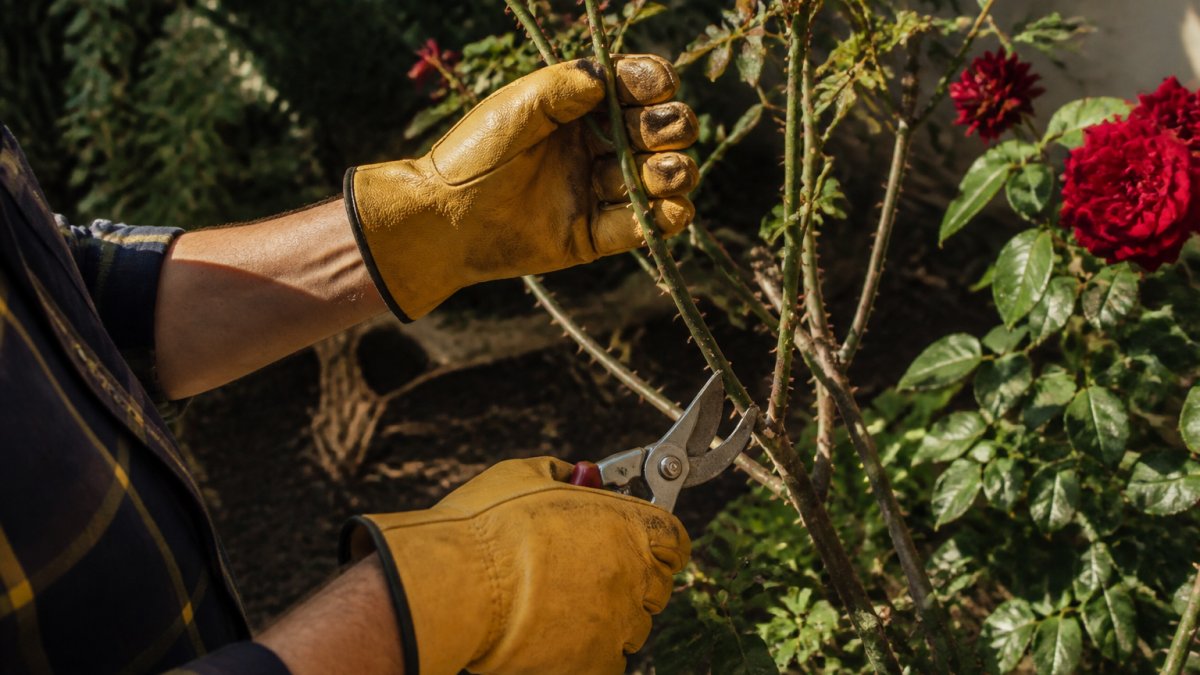
Create a simple checklist of your most common tasks. Rate each task by hazard level: thorn exposure, moisture, abrasion, or impact. This assessment guides you toward the right glove type. Most gardeners benefit from owning two pairs: one for heavy duty work and one for lighter tasks.
Choosing the right gloves for heavy duty garden work comes down to matching protection to your actual tasks. The best option balances durability, puncture resistance, and comfort for how you work. Upgrade your garden tool collection and tackle heavy duty projects with confidence.
Frequently Asked Questions
What features should I look for when choosing garden gloves for heavy duty work?
Prioritize puncture and thorn protection, water resistance, reinforced seams, and a secure grip. For heavy-duty tasks like clearing brush or chopping wood, look for gloves with impact protection on the back of the hand and durable palm materials. Ensure the fit allows enough dexterity to handle tools safely. Check that the cuff extends high enough to protect your wrists during rugged chores.
Are leather or synthetic gardening gloves better for tough garden work?
Leather offers superior durability, breathability, and natural puncture resistance, making it ideal for thorn-heavy tasks and long-term wear. Synthetic gloves provide better water resistance and are easier to clean, suiting wet conditions and frequent washing. For maximum protection in heavy-duty work, leather with synthetic reinforcement on the palm combines the strengths of both materials.
How should heavy-duty garden gloves fit?
Gloves should fit snugly without restricting blood flow or limiting your ability to grip tools. Your fingers should reach the fingertips with minimal extra space, and the palm should sit flat without bunching. The cuff should fit securely around your wrist without gaps. Test fit by making a fist and bending your fingers; you should feel secure but not constricted. Different hand shapes benefit from brands offering women's and men's fits.
Can I wash heavy-duty garden gloves, and how often should I replace them?
Most work gloves can be hand-washed with mild soap and water, then air-dried. Check the manufacturer's care instructions first. Replace gloves when you notice punctures, worn palms, torn seams, or reduced grip. With proper care, quality heavy-duty gloves last one to two seasons of regular use. Inspect them monthly for damage and replace sooner if you handle particularly sharp or abrasive materials.