

Durable Garden Tools for Beginners: A 2026 Guide
Table of Contents
- Why Durable Garden Tools Matter for Beginners
- Building Your Essential Garden Tool Set
- Stainless Steel vs Carbon Steel Garden Tools: Which Lasts Longer
- Identifying High-Quality Materials and Construction
- How to Maintain Garden Tools for Long-Lasting Performance
- Common Beginner Mistakes When Selecting Tools
- Conclusion
Last Updated: August 21, 2026
Why Durable Garden Tools Matter for Beginners
Investing in durable garden tools from the start separates successful gardeners from those who quit after one season. Cheap tools that bend, break, or rust within months waste money on replacements while draining motivation.
According to Gardening Statistics 2026 data, 55% of American households are engaged in gardening activities, representing 71.5 million gardening households. Yet many beginners purchase low-grade steel or aluminum tools from big-box retailers that fail quickly. Quality tools from previous generations were made of high-carbon steel and lasted a lifetime, that durability advantage still exists, just abandoned by mass manufacturers chasing the lowest price point.
At Downtown5, we understand that beginners need tools they can trust immediately. The right durable garden tools reduce frustration, improve results, and cost less over time. A hand trowel that lasts 20 years beats buying five cheap ones that break within a year.
This guide covers everything you need to select durable garden tools, maintain them properly, and avoid the beginner pitfalls that lead to tool failure.
Building Your Essential Garden Tool Set
A beginner doesn't need 30 tools. You need five core implements that handle 90% of garden tasks. Start with the essentials, master them, and add specialized tools only when you hit their limitations.
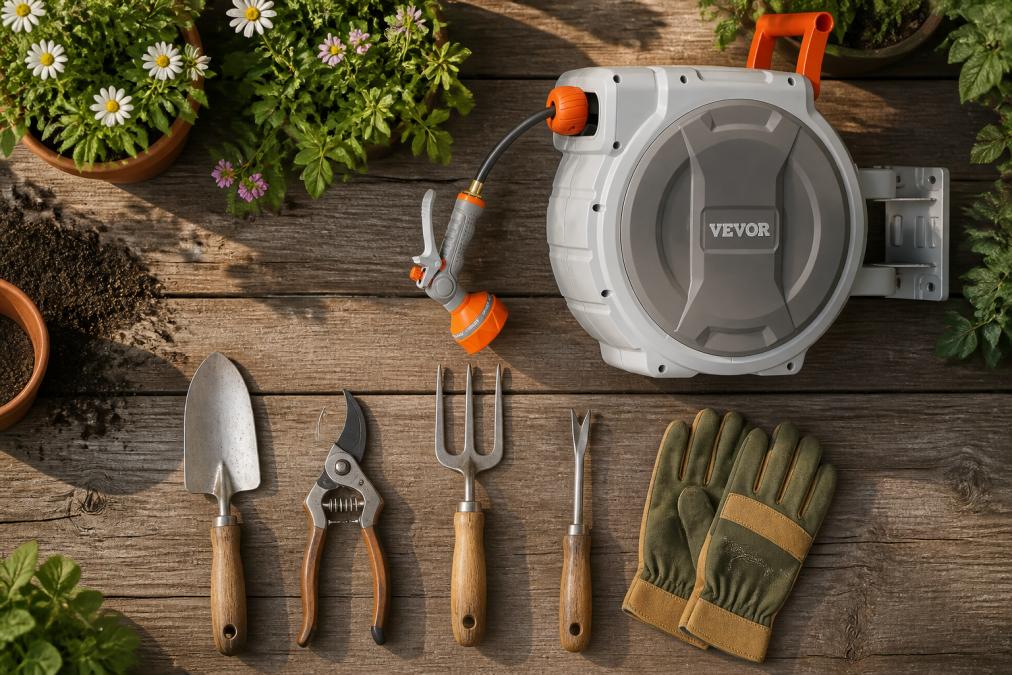
Hand Trowel and Digging Tools
A hand trowel is the single most-used tool in any beginner's arsenal. You'll use it for planting seedlings, digging small holes, and moving soil. The best trowels have a blade forged from solid carbon steel with a handle that won't crack or splinter after a season of use.

Look for a trowel with a reinforced neck where the blade meets the handle. This joint fails first on cheap tools. High-quality trowels use either solid one-piece construction or a blade securely attached through the handle with multiple fastening points.
A garden fork breaks up compacted soil and aerates beds. The fork's multiple tines distribute force across a wider area, making it essential for soil preparation. Choose one with sturdy tines that flex slightly but don't bend permanently under pressure.
Pruning and Cutting Tools
Bypass pruners are non-negotiable. These cut with a scissor-like action and make clean cuts that heal quickly. Anvil pruners crush the branch against a flat surface, damaging plant tissue and inviting disease. For beginners, bypass pruners handle 95% of your cutting needs.
Look for pruners with hardened steel blades that hold an edge and a locking mechanism to prevent accidental opening during storage. Ergonomic handles reduce hand fatigue during extended pruning sessions.
Loppers extend your reach for thicker branches and higher growth. A quality lopper with ash wood handles and carbon steel blades will outlast cheaper alternatives by years.
Weeding and Soil Cultivation
A weeder tool removes deep-rooted weeds without breaking the root, preventing regrowth. Look for one with a forked head that grabs the weed stem while the handle provides leverage to extract the entire root system. Stainless steel resists rust, but carbon steel holds a sharper edge for cutting through tough soil.
A cultivator breaks up soil clumps and removes surface weeds. Use it to prepare beds, remove surface debris, and aerate soil before planting.
| Tool | Primary Use | Ideal Material | Beginner-Friendly | Durability Rating |
|---|---|---|---|---|
| Hand Trowel | Planting, soil moving | Carbon steel blade, ash wood handle | Yes | High |
| Garden Fork | Soil aeration, breaking compaction | Carbon steel tines, sturdy handle | Yes | High |
| Bypass Pruners | Cutting branches under 1 inch | Hardened steel blades | Yes | High |
| Loppers | Cutting branches 1-2 inches | Carbon steel, ash wood handles | Yes | High |
| Weeder | Deep-rooted weed removal | Stainless or carbon steel | Yes | High |
Stainless Steel vs Carbon Steel Garden Tools: Which Lasts Longer
Stainless steel resists rust without maintenance. Carbon steel requires care but holds a sharper edge longer. The answer depends on your climate and willingness to maintain your tools.
Stainless steel contains chromium, which forms a protective oxide layer preventing rust. However, stainless steel is softer than carbon steel and dulls faster. A stainless steel pruner blade becomes dull after moderate use, requiring more force to cut cleanly and damaging plant tissue.
Carbon steel is harder and holds a sharp edge indefinitely if maintained. In humid climates, carbon steel rusts, but the solution is simple: wipe your tools dry after use and apply a light oil coating before storage. This takes 90 seconds per season. Most tool failures happen from neglect, not material weakness.
According to Expert-Tested Picks for Gardening Tools 2026, professional-grade tools prioritize material quality like chromoly steel and aircraft aluminum, with lifetime warranties signaling manufacturer confidence in build quality. Forged steel heads show enhanced durability compared to stamped heads.
For beginners: choose carbon steel tools and commit to basic maintenance. The sharper edge means cleaner cuts, less plant damage, and faster work. If you live in an extremely humid coastal climate and won't perform basic care, stainless steel becomes the practical choice despite its durability disadvantage.
Identifying High-Quality Materials and Construction
Most beginner mistakes stem from not knowing how to evaluate tool quality before purchase.
Forged Metal vs Stamped Blades
Forged blades are shaped by applying pressure and heat to solid metal, aligning the grain structure and creating a denser, stronger blade that resists bending and breaking. Stamped blades are cut from sheet metal like a cookie cutter, quick and cheap, but with inferior strength.
To identify a forged blade, look at the blade edge under light. A forged blade shows a subtle transition line where the metal was shaped and feels heavier for its size. The neck, where blade meets handle, reveals construction quality. A forged tool has the neck as part of the same solid piece or securely attached through the handle with visible fastening. Cheap tools have the blade glued or spot-welded to a hollow handle, which fails first.
Handle Materials and Ergonomic Design
Ash wood handles are the gold standard. Ash is lightweight, strong, and absorbs shock from impact. After decades of use, an ash wood handle can be sanded and refinished rather than replaced. Fiberglass handles are durable but don't absorb shock and can feel cold in winter.
Ergonomic handles have a grip shaped to fit your hand naturally, reducing fatigue during extended use and preventing blisters. According to MU Extension Ergonomic Gardening Guide, tools designed with ergonomics in mind can prevent muscle and joint pain and improve the joy of gardening.
Check the balance point. A well-balanced tool concentrates weight near the blade, not the handle. Pick up the tool and let it hang naturally. If it tips forward, the balance is good.
How to Maintain Garden Tools for Long-Lasting Performance
Maintenance separates tools that last 20 years from those that fail in two. Proper maintenance takes less than an hour per season.
Cleaning and Rust Prevention
Clean your tools immediately after use. Soil contains acids and salts that accelerate rust and corrosion. A quick rinse with a hose and wipe with a cloth removes most contaminants.
Once clean and dry, apply a light coating of oil to metal surfaces. Machine oil, linseed oil, or WD-40 works. The coating prevents moisture from reaching the metal. Store tools in a dry location. Never leave tools outside overnight or in damp conditions. If rust appears, remove it with steel wool or a wire brush, then apply oil.
Sharpening Blades and Seasonal Storage
A dull blade requires more force to cut, damaging plants and fatiguing you. Sharpen pruning blades annually or when they stop cutting cleanly. Maintain the original blade angle (typically 30-45 degrees).
Before winter storage, clean tools thoroughly and apply a heavier oil coating. Store in a dry location and check occasionally during winter to ensure no rust has started. Spring preparation involves a quick cleaning and light oil reapplication.
Common Beginner Mistakes When Selecting Tools
Buying the cheapest option available. A $5 trowel from a discount store bends, breaks, and rusts within a season. A quality $25 trowel lasts 20 years. The cheap tool costs more per year of use.
Purchasing specialty tools before mastering basics. Start with the five essential tools. Once you've used them for a full season, add specialized tools.
Ignoring handle comfort. A tool that causes hand pain or blisters gets abandoned. If a tool feels wrong in your hand, it's wrong for you.
Storing tools improperly. Leaving tools in wet grass or storing them in damp sheds leads to rust and damage. A simple wall-mounted rack keeps tools organized, visible, and dry.
Mixing tool quality levels. Commit to quality across your core set rather than buying one quality tool and filling the rest with cheap alternatives.
Conclusion
Durable garden tools for beginners aren't a luxury, they're the foundation of a sustainable gardening practice. When you invest in quality carbon steel blades, ash wood handles, and proper construction, you're buying tools that will outlast your interest in gardening.
According to 2026 National Gardening Reports, total market spending reached an all-time high of $79.0 billion in 2025, with committed gardeners investing more deeply in their practice. These committed gardeners aren't buying cheap tools, they're buying tools that work reliably and last.
Start with the five essential tools: hand trowel, garden fork, bypass pruners, loppers, and weeder. Choose carbon steel blades with ash wood handles. Maintain them with basic cleaning and oil coating. Avoid the beginner mistakes that lead to tool failure and frustration.
At Downtown5, we've curated a selection of durable garden tools designed to support your gardening journey from year one through decades of use. Our Manual Pole Saw with 65Mn Steel Blade and complementary tools are built to the standards outlined in this guide, quality materials, thoughtful construction, and designs that support long-term use. Get started with tools you can trust, and watch your gardening confidence grow alongside your plants.

=== FAQ ANSWERS (audit these too, same rules) ===
[1] Q: What are the best basic gardening tools for beginners? A: Start with five essentials: a hand trowel for digging and planting, bypass pruners for cutting stems, a garden fork for soil cultivation, a weeder for removing unwanted plants, and durable gardening gloves for hand protection. These tools handle 90% of beginner tasks. Focus on quality over quantity, a well-made trowel and pruners will outperform a dozen cheap tools. Look for carbon steel or forged metal construction, which resists bending and maintains blade sharpness longer than stamped alternatives.
[2] Q: How can you tell if a garden tool is high quality and durable? A: Check for forged metal blades (formed under pressure) rather than stamped ones, which are weaker. Examine the handle material, ash wood and fiberglass are more durable than plastic. Look for rust-resistant coatings like powder-coating or oil treatment. Heavier tools generally indicate denser material. Research the brand's warranty; manufacturers confident in durability offer lifetime warranties.
[3] Q: What is the best way to maintain garden tools to ensure they last? A: After each use, rinse tools with water and dry immediately to prevent rust. Apply a light coat of oil (like WD-40) to metal parts monthly. Sharpen blades annually using a sharpening stone to maintain cutting efficiency and reduce plant damage. Store tools in a dry location, ideally on a storage rack to prevent blade dulling. For winter, clean thoroughly and apply additional oil before storing. Proper maintenance extends tool life by decades.
[4] Q: Should beginners invest in expensive tools or budget options? A: Invest in quality basics rather than cheap alternatives that break quickly. Budget tools made from low-grade steel or aluminum alloy bend, rust, and fail within one season. A mid-range forged steel trowel ($15-30) outperforms a $5 stamped alternative by years. Most new gardeners spend under $75 total in their first year on tools. Prioritize spending on a few durable hand tools and quality soil over power equipment. This approach saves money long-term and prevents frustration from tool failure during critical growing periods.
Frequently Asked Questions
Q: What are the best basic gardening tools for beginners?
A: Start with five essentials: a hand trowel for digging and planting, bypass pruners for cutting stems, a garden fork for soil cultivation, a weeder for removing unwanted plants, and durable gardening gloves for hand protection. These tools handle 90% of beginner tasks. Focus on quality over quantity, a well-made trowel and pruners will outperform a dozen cheap tools. Look for carbon steel or forged metal construction, which resists bending and maintains blade sharpness longer than stamped alternatives.
Q: How can you tell if a garden tool is high quality and durable?
A: Check for forged metal blades (formed under pressure) rather than stamped ones, which are weaker. Examine the handle material, ash wood and fiberglass are more durable than plastic. Look for rust-resistant coatings like powder-coating or oil treatment. Heavier tools generally indicate denser material. Research the brand's warranty; manufacturers confident in durability offer lifetime warranties.
Q: What is the best way to maintain garden tools to ensure they last?
A: After each use, rinse tools with water and dry immediately to prevent rust. Apply a light coat of oil (like WD-40) to metal parts monthly. Sharpen blades annually using a sharpening stone to maintain cutting efficiency and reduce plant damage. Store tools in a dry location, ideally on a storage rack to prevent blade dulling. For winter, clean thoroughly and apply additional oil before storing. Proper maintenance extends tool life by decades.
Q: Should beginners invest in expensive tools or budget options?
A: Invest in quality basics rather than cheap alternatives that break quickly. Budget tools made from low-grade steel or aluminum alloy bend, rust, and fail within one season. A mid-range forged steel trowel ($15-30) outperforms a $5 stamped alternative by years. Most new gardeners spend under $75 total in their first year on tools. Prioritize spending on a few durable hand tools and quality soil over power equipment. This approach saves money long-term and prevents frustration from tool failure during critical growing periods.
This article was written using GrandRanker